
HomeAbout CBTF

SCORECARDS

Birmingham Phoenix won by 10 runs

24th Jul, 2026 | 11:00 PM(IST)

Manchester Super Giants won by 7 runs

23rd Jul, 2026 | 11:00 PM(IST)

Welsh Fire won by 6 wkts

22nd Jul, 2026 | 11:00 PM(IST)

MI London won by 7 wkts

21st Jul, 2026 | 11:00 PM(IST)

18th Jul, 2026 | 02:00 PM(IST)

18th Jul, 2026 | 02:00 PM(IST)

18th Jul, 2026 | 02:00 PM(IST)

15th Jul, 2026 | 02:00 PM(IST)

15th Jul, 2026 | 02:00 PM(IST)

15th Jul, 2026 | 02:00 PM(IST)

LATEST NEWS

The Hundred’s Biggest Auction Moves: Tymal Mills and Other Surprise Switches

BY Admin - July 27, 2026

4 min(s) read

A draft system, whatever its flaws, tends to keep continuity intact — franchises pick from what’s left, but established stars rarely end up somewhere new unless a team actively lets them go. An auction works differently. Every player is available to every franchise, every year, for the right price. The Hundred’s first-ever auction in March 2026 produced exactly the kind of roster shake-up that dynamic usually creates — and one move stood out above the rest.

Tymal Mills: Southern Brave to London Spirit

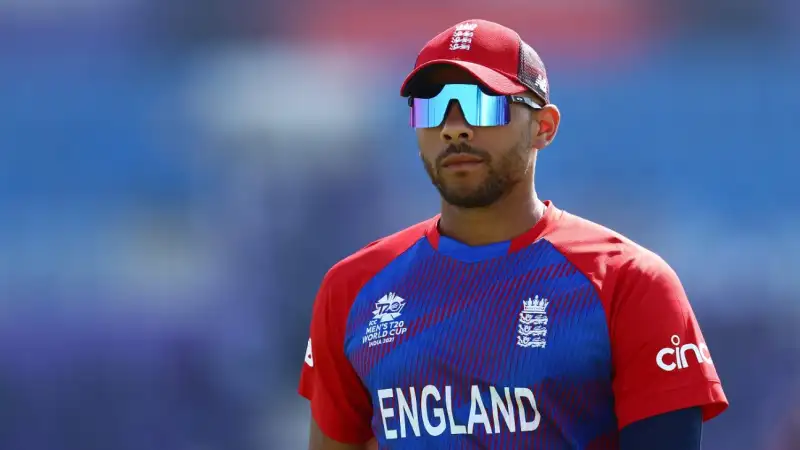
Tymal Mills has been the format’s all-time leading wicket-taker since The Hundred launched in 2021, and for five seasons that record was inseparable from Southern Brave — his express left-arm pace and yorker-heavy death bowling were as much a part of the franchise’s identity as its Rose Bowl home ground. In the 2026 auction, Mills moved to London Spirit, joining a squad already anchored by the auction’s most expensive overall buy, James Coles.

It’s a move worth watching for reasons beyond sentiment. Southern Brave now has to replace not just wickets on a stats sheet, but a specific tactical role — a genuine format specialist who built his white-ball career around exactly this kind of short, high-intensity bowling. London Spirit, meanwhile, adds the format’s most proven wicket-taker to a pace attack that already includes David Willey and Coles himself, giving them arguably the deepest bowling unit in the competition on paper.

Why Auctions Produce Moves Like This

Under the draft system, franchises largely worked with what allocation gave them, occasionally trading or releasing players but without the open, competitive bidding that defines an auction. Once every player entered a shared pool for 2026 — sorted into Hero, Ranked and Nominated tiers based on franchise interest — there was nothing stopping London Spirit from simply outbidding Southern Brave for a player Southern Brave had built its identity around.

That’s the same dynamic IPL followers have watched shape auctions for close to two decades: proven performers moving between franchises based on who values a specific skill most in a given year, rather than historical loyalty to a team that developed them.

Other Notable Auction-Day Shifts

James Coles to London Spirit (£390,000) — the single most expensive buy of the entire men’s auction, giving London Spirit a genuine all-rounder to build their attack and top order around.

Jordan Cox to Welsh Fire (£300,000) — the previous season’s Most Valuable Player moving to a Welsh Fire top order that already included Joe Root, instantly making Welsh Fire’s batting one of the tournament’s most accomplished on paper.

David Miller to Southern Brave (£110,000) — the first overseas player sold at the entire auction, giving Southern Brave a finishing option to help offset the loss of Mills’ bowling identity.

Aiden Markram to Manchester Super Giants (£200,000) — South Africa’s T20I captain arriving after a genuinely competitive bidding war, adding leadership experience alongside Jos Buttler and Heinrich Klaasen.

Abrar Ahmed to Sunrisers Leeds (£190,000) — less a value transfer and more a statement signing, given the reports ahead of the auction suggesting Indian-ownership-linked franchises might avoid Pakistani players altogether. Sunrisers Leeds’ bid for Abrar directly answered that speculation.

What This Means Going Into 2026

The auction system’s first year has already reshuffled the competition’s identity in ways a draft never would have. Southern Brave, Trent Rockets and others are entering the season having lost the specific players their previous seasons were built around, while London Spirit, Welsh Fire and Manchester Super Giants have assembled squads that look meaningfully stronger on paper than anything the draft era produced for those franchises.

Whether that translates directly into results is the question the group stage will start answering from 21 July — but the auction has already done what it was designed to do: turn The Hundred’s off-season into a genuine transfer market, with the same kind of storylines, price tags and franchise-identity questions that have defined the IPL auction for years.

Finals Day at Lord’s: The Hundred’s History and What August 16 Means

BY Admin - July 27, 2026

4 min(s) read

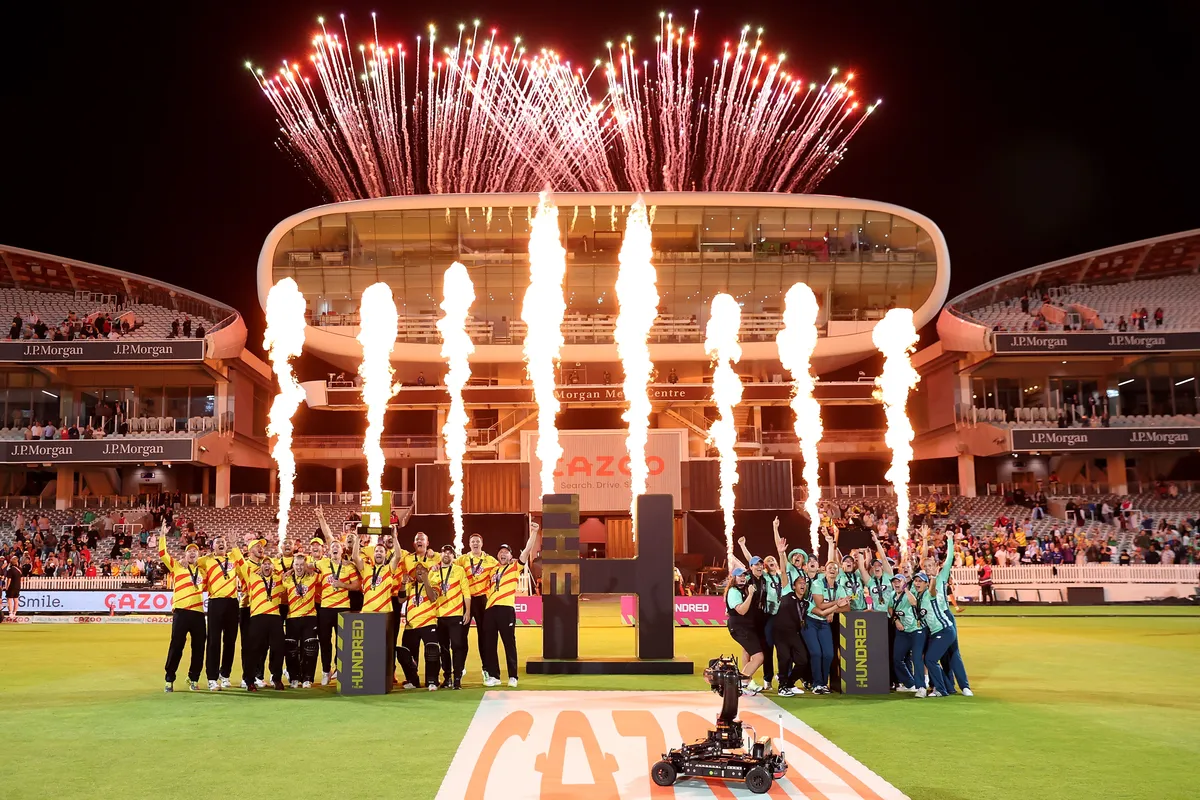
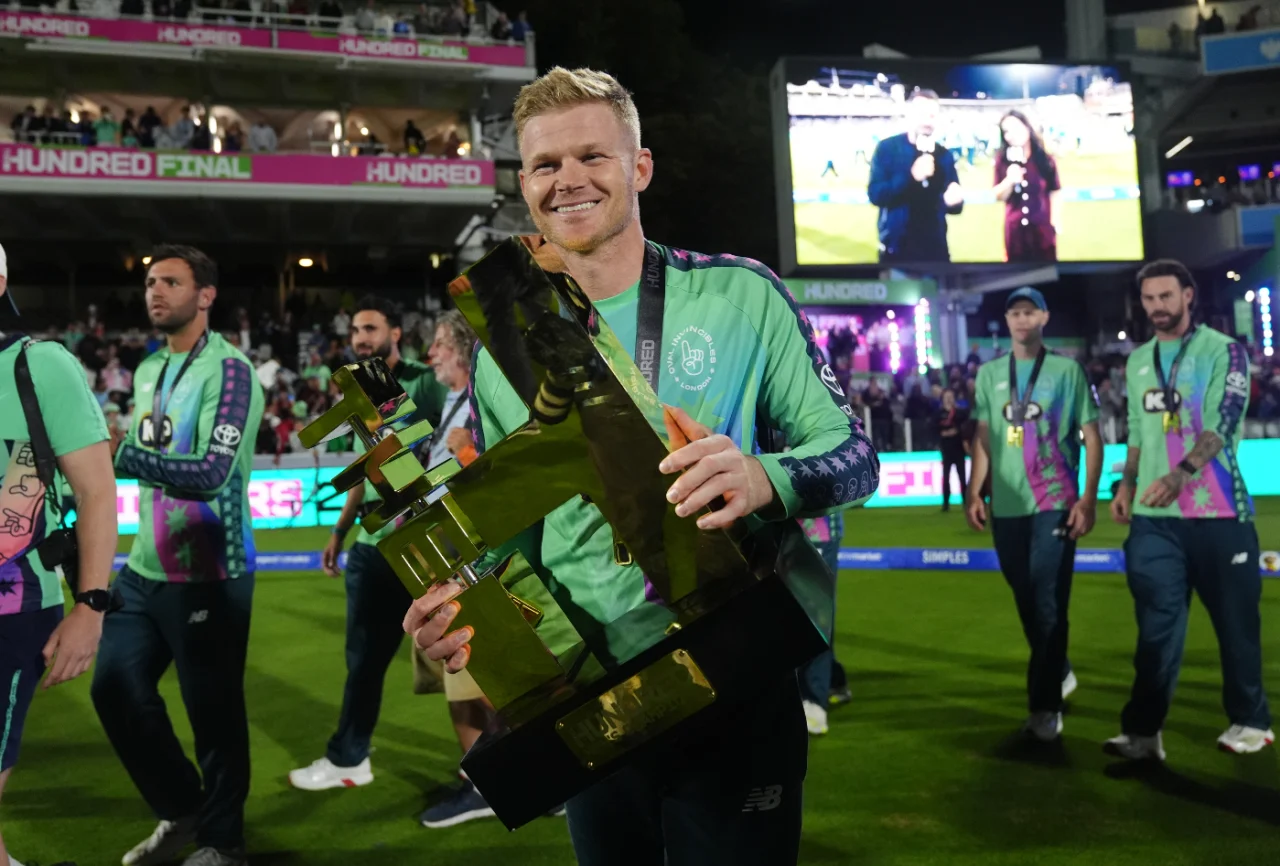
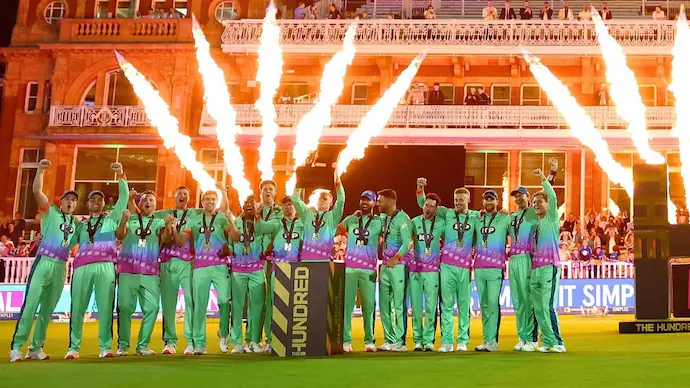
Every English cricket competition has a defining fixture. For The Hundred, it’s never been in doubt: Finals Day, at Lord’s, on the tournament’s final Sunday. In 2026, that’s 16 August — the day both the men’s and women’s champions will be decided, at the one ground that’s hosted this exact occasion in every season since the competition began.

Why Lord’s, Every Year

Unlike most franchise leagues, where the final rotates between venues or goes to whichever team finishes top of the table, The Hundred has fixed Finals Day at Lord’s as a permanent feature of the format. It’s a deliberate piece of tournament design — guaranteeing that regardless of which two teams make it through, the season’s biggest day plays out at the sport’s most recognised ground in England. London Spirit, as the home franchise, plays every one of its own home fixtures there across the season, but Finals Day belongs to whichever teams have earned it, not to the host club.

How the Day Is Structured

Finals Day follows the same double-header pattern used throughout the tournament — a women’s final followed by the men’s final, both at the same venue on the same day, giving fans in the ground and watching on television back-to-back title deciders rather than two separate events on different weekends.

Getting there requires clearing the group stage and the knockout round first. The 2026 group stage runs from 21 July to 12 August across all eight venues, with the top sides advancing to an Eliminator on 14 August — a new addition for 2026 is a reserve day attached to that fixture specifically, after both the 2023 women’s and 2025 men’s Eliminators were affected by no-results. The winner of the Eliminator joins the top-placed group-stage team in the Grand Final two days later.

The Tight Turnaround That Follows

Finals Day doesn’t mark the end of English cricket’s summer workload — it marks the start of the next chapter. England’s men begin a three-Test series against Pakistan at Headingley just two and a half days after the 2026 final, an almost identical turnaround to 2025, when the Hundred final was played only a day before an ODI against South Africa. It’s a scheduling reality that puts real pressure on player management for any England international appearing in both competitions, and it’s part of why the ECB has continued to ring-fence a dedicated Hundred window rather than letting the tournament’s dates drift.

What’s Different About the Road to Lord’s in 2026

Every previous Finals Day was reached by squads built through a draft. 2026 is the first time the teams arriving at Lord’s will have been assembled through competitive, IPL-style bidding — meaning the squads chasing the title this August were chosen, player by player, by ownership groups with real commercial incentive to win. Four of the eight franchises are now run by groups with existing IPL ownership experience, and for at least some of them, reaching Finals Day in year one of full private ownership would be a significant early return on the money spent in March’s auction.

Add the higher overseas quota — four players per XI instead of three — and this year’s Finals Day squads are likely to look meaningfully different in composition from anything the format has produced before, with more room for overseas match-winners to shape the outcome.

What to Watch For

  • Which of the four IPL-linked franchises — MI London, Sunrisers Leeds, Manchester Super Giants or Southern Brave — reaches Lord’s first under their new ownership and rebrand
  • Whether the reserve day for the Eliminator gets used, and what that does to squad rotation and travel in the 48 hours before the final
  • How England’s Test-bound players are managed across the final week, given the near-immediate turnaround into the Pakistan series
  • Whether the auction-era squads produce a genuinely different style of final — more overseas firepower, different tactical patterns — compared to the draft-built finals of 2021 through 2025

Whatever else changes about The Hundred’s ownership, structure and player pool, Lord’s staying fixed as the home of Finals Day is one constant the tournament has never touched. On 16 August 2026, it does the job it’s done every year since the format began: settling, in one afternoon and evening at the same ground, both of the competition’s champions.

Inside The Hundred’s First-Ever Player Auction

BY Admin - July 27, 2026

3 min(s) read

For five seasons, The Hundred built its squads the same way most franchise leagues start out — through a player draft, with teams picking in sequence from a shared pool. On 12 March 2026, that changed for good. At Piccadilly Lights in central London, The Hundred ran its first-ever player auction — competitive, real-time bidding, on the model that’s defined the IPL since 2008

Why the Switch

The move away from the draft wasn’t cosmetic. With all eight franchises now carrying private investment and genuine commercial stakes in building winning, marketable squads, the ECB concluded that a draft — where players are essentially allocated rather than chosen through competition — no longer fit a competition being run, in large part, by ownership groups who already build their squads through auctions elsewhere. Four of the eight Hundred franchises are owned by groups with an existing IPL presence; for them, an auction wasn’t a new system to learn. It was simply how they already do business.

The change came bundled with two other structural shifts: a rise in the overseas player quota from three to four per XI, and a broader push to raise salaries and star power across the competition — all designed, in the ECB’s framing, to lift The Hundred’s on-field standard to match its new financial scale.

How the Auction Worked

Players went into the pool sorted into three tiers based on the interest franchises had flagged in advance: Hero players first, followed by Ranked, then Nominated — a structure that let the day build toward its biggest names rather than front-loading them. Each of the eight franchises worked to a squad cap of 16 players, bidding against each other in real time as names came up.

The Biggest Storylines From Auction Day

Domestic names drew serious money. English players with Hundred experience and clear roles — among them James Coles and Jordan Cox — drew heavy competing bids, a sign that franchises were prepared to pay a premium for players who already understood the format rather than gambling purely on unproven overseas talent.

Overseas demand centred on control bowlers and finishers. Adil Rashid and Aiden Markram were among the most sought-after overseas names, reflecting what franchises consistently prioritise in a 100-ball format: wrist-spin control through the middle, and batting depth that can finish an innings without needing to see out a long, unfamiliar spell.

The Pakistan storyline became the day’s biggest talking point. In the lead-up to the auction, reports suggested the four Indian-ownership-linked franchises — MI London, Sunrisers Leeds, Manchester Super Giants and Southern Brave — might avoid signing Pakistani players altogether, prompting pointed criticism from the ECB and former England captain Michael Vaughan, who warned any nationality-based exclusion would breach the league’s anti-discrimination rules. Sunrisers Leeds answered that directly, signing Pakistan leg-spinner Abrar Ahmed for £190,000. Later in the day, Usman Tariq became the first Pakistani player sold at the auction, going to Birmingham Phoenix for £140,000 after a bidding contest with Trent Rockets — notably, both American-owned franchises rather than the Indian-linked group.

Some big names went unsold. Several established Pakistan internationals, including Shadab Khan and Haris Rauf, went unsold in the initial round — a reminder that even at auctions with significant money in play, fit and role matter as much as reputation. Players who go unsold typically remain available for later bidding rounds rather than being shut out of the tournament entirely.

Latest News Latest News Latest News

EXPLORE YOUR FAVOURITE SPORTS

POLLS CORNER

Who will win 5th Jan,2026 SA T20 League match?

Submit Your Vote now

Polls Submitted : 4

UPCOMING MATCHES

Sophia Gardens, Cardiff | 29th Jul, 2026 | 07:30 PM

The Oval, London | 29th Jul, 2026 | 11:00 PM

Utilita Bowl, Southampton | 30th Jul, 2026 | 11:00 PM

MATCH VIDEOS

Cricket
Football
Tennis
Basketball
London Spirit vs Manchester Super Giants | Match Highlights

London Spirit vs Manchester Super Giants | Match Highlights

Cricket
Southern Brave vs Welsh Fire | Match Highlights

Southern Brave vs Welsh Fire | Match Highlights

Cricket
Birmingham Phoenix vs Trent Rockets | Match Highlights

Birmingham Phoenix vs Trent Rockets | Match Highlights

Cricket
MI London vs Sunrisers Leeds | Full Match Highlights

MI London vs Sunrisers Leeds | Full Match Highlights

Cricket
Nicholas Pooran SMASHES fast 50

Nicholas Pooran SMASHES fast 50

Cricket

ICC RANKINGS

T20
1
England
268
2
India
268
3
Australia
260
4
New Zealand
247
5
South Africa
244
6
Pakistan
240
7
West Indies
234
8
Bangladesh
224
9
Sri Lanka
221
10
Afghanistan
220